
Medical Clinics in Rifa'a, Bahrain
Medical Clinics in Rifa'a lose a booking here and there all week, and none of them looks like a big deal on its own, which is why the pattern stays hidden. The bookings a business loses are usually invisible. Nobody writes to say they tried to call and gave up. They simply choose the clinic, agency or firm that answered first. That is why the first reply matters more than the prettiest website, and why an assistant that answers at once changes the numbers.
The front desk is the hardest seat in a small business to keep filled. Someone is always on leave, at lunch, or busy with the patient in front of them, and that is exactly when the next caller rings. An AI assistant does not replace the team, it covers the gaps the team cannot cover, at every hour of the day.
Rifa'a shares Bahrain's hot desert climate, with long, humid summers and mild winters. From June to September the heat is strong, so outdoor activity moves to the early morning or the evening. November to March brings cooler days, clear skies and comfortable evenings, which is the best season for walking, golf and football. Rain is rare and usually light. Because Rifa'a is inland, it misses the sea breeze that cools the coast, so summer afternoons can feel especially warm and still.
A medical clinic diary rarely moves at one speed all day. Early slots go to workers and parents, midday slows, and the evening fills again with families who could not come sooner. Many people now book by message rather than by phone, which lets reception answer between visits. When the clinic states its opening hours and its busiest times plainly, patients choose a slot that suits them and arrive with fewer surprises. A note about parking or the entrance helps first-time visitors most of all.
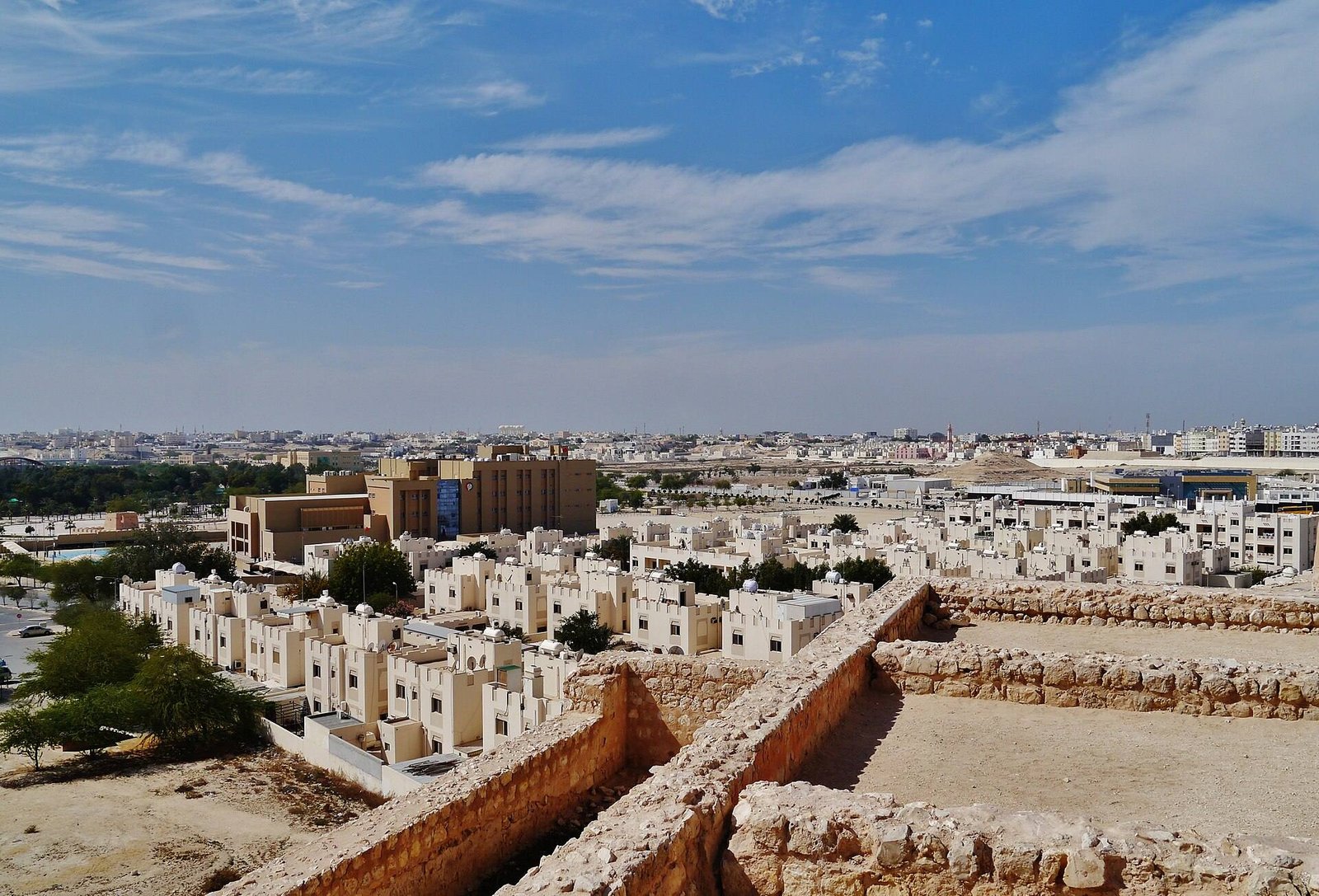
Photo credit: Zairon, CC BY-SA 4.0, via Wikimedia Commons
How Rifa'a neighbourhoods book medical clinics
Every district books differently, and the assistant knows it. Morning enquiries come from people getting ready for work, lunchtime enquiries come from people on a break, and evening enquiries come from people at home, comparing options on the sofa. The reply has to fit the moment, not just the question.
Booking times follow the life of each district. East Riffa and West Riffa are busiest before noon, North Riffa and Hunayniya fill up in the afternoon, and Bukuwara and Hajiyat message most in the evening, when the day's work is done. The assistant is there at every hour, in Arabic and English.
The journey to the appointment matters too. Someone in East Riffa wants a time that fits the drive, someone in West Riffa wants a time between meetings, and someone in North Riffa wants the first slot after school. The assistant asks, listens, and offers a time that fits the person's day, not just the diary.
Daily life in Rifa'a follows the school and working day, with busy mornings and quieter middays. Traffic builds early as families drive children to school and commuters head north toward Manama. The middle of the day is slower, especially in summer, when people stay indoors. Activity returns in the late afternoon and continues into the evening, when shops, cafes and sports facilities are at their busiest. People often prefer to book appointments in the morning or after sunset, and they value a clear time and a reminder.
A Rifa'a day for medical clinics with SynapFlow AI
No two days are identical, but the rhythm is the same. Someone always calls while the team is busy, someone always messages after closing, and someone always needs to move a booking at the last minute. The assistant handles all three, in the language the person used, and keeps the calendar true.
Between noon and two the front desk is often empty, but the phone is not. Patients and clients use their lunch break to book, and a business that only answers in office hours loses the people who can only call at lunch. The assistant is there at midday, in Arabic and English, and the booking lands in the calendar.
Booking in Rifa'a works best when it fits around school runs, family visits and the evening. People ask for a morning slot before the day fills up, or an evening slot after work and school, and they appreciate a clear address and a nearby landmark, since the city covers a wide area. Families may book for several people at once, and they value a reminder the day before, because plans often shift with visitors and weekend matches. A short message with the time and directions helps the visit run smoothly.
Good recall starts with a record, not with a clever message. Reception notes the date of the last visit, the reason for the visit and the patient's preferred time of day. When that date approaches, one message with two times is enough to bring the patient back. If there is no reply, a second note a few days later is fair, but a third is rarely needed. Families appreciate it when the clinic remembers who is due, rather than sending the same message to everyone.
Visitors come to Rifa'a for football at Bahrain National Stadium, golf at the Royal Golf Club and the views from Riffa Fort. From here it is a short drive to the Dilmun burial mounds at A'ali, the Bahrain International Circuit and the southern beaches, so a day trip can combine sport, history and the coast. Manama's museums and waterfront are also within easy reach by car. Families often plan a visit around a match or a meal in East Riffa, making the city a comfortable base for exploring southern Bahrain.
Food and markets in Rifa'a are practical and family-friendly. Riffa Market sells fresh fish, meat, vegetables and everyday goods, while Bukuwara Street Market is more organised and modern, with shops along a single street. East Riffa has a thriving restaurant scene, from small cafes serving karak tea and breakfast to family restaurants offering grilled meats, rice dishes and Gulf favourites. Supermarkets and malls cover weekly shopping, and evening meals are often shared at home or with relatives after a walk or a drive.
A Saturday morning in North Riffa
The weekend here is Friday and Saturday, and that changes the booking week. Thursday evening is busy with people booking for the weekend, Friday is quieter but never silent, and Saturday brings a rush of people who want a slot before the working week starts again. The assistant covers all of it, including Friday.
Weekends are when people finally have time to sort out appointments, and that makes Saturday the most valuable day of the week. The assistant answers every Saturday enquiry in Arabic or English, offers the open times, and books the slot before the person changes their mind. Recall messages work best when they are, timely and easy to act on. A clinic may send a reminder when a review is due, giving the patient a choice of two or three times. Families with children appreciate a message that names the child and the type of visit, so the right person attends. If a patient replies that the time does not suit them, offering another slot straight away keeps the booking alive. The aim is a, helpful reminder rather than a repeated chase.
An example WhatsApp conversation in Rifa'a
The conversation below is an example, not a real customer. It shows how a booking happens on WhatsApp, from the first message to the confirmation, in under a minute.
Do you have any appointments this week for a checkup?
Hello! Yes, we have tomorrow at 9:30 am. Shall I book it for you?
Yes, 9:30 am works for me. Please confirm the booking.
All set for tomorrow at 9:30 am. I will send a reminder closer to the time.
That is the whole booking: under a minute, no phone call, no hold music, no website form. The calendar holds the appointment, the reminder is booked, and the team reads the conversation in the CRM whenever they need it. That is the experience SynapFlow AI is built to give every medical clinic in Rifa'a, whether the enquiry comes from East Riffa at noon or from Hajiyat at midnight.
What SynapFlow AI does for medical clinics in Rifa'a
Four tools do the whole job. The AI receptionist answers the phone and the messages, WhatsApp automation books and confirms, GoHighLevel CRM keeps the record, and custom n8n workflows link everything together, so a booking made at midnight is in the calendar, confirmed, and reminded without anyone lifting a finger.
Nothing starts with a payment. It starts with a free audit of the current booking flow, so the business can see exactly where enquiries are lost. Then the assistant is set up in 14 to 21 days, the calendar and CRM are connected, and the first bookings start arriving while the team carries on as normal.
Business life in Rifa'a is centred on local services, shops and schools rather than a single commercial district. Riffa Market and Bukuwara Street Market serve daily shopping, while malls and supermarkets along the main roads meet most family needs. Restaurants and cafes cluster near the busy streets of East Riffa, and many small firms serve the surrounding residential areas. People here often prefer a familiar local business to a trip into Manama, so neighbourhood reputation and steady opening hours matter a great deal.
The path from a first visit to further care is usually step by step. A patient arrives, completes their details and meets the clinician for an initial discussion. If further steps are needed, the clinic explains what comes next and books the follow-up at reception. Some people need time to think or to check with family, so the clinic notes the plan and leaves the next booking open. Clear notes and a written summary help the patient remember what was agreed.
The clinic week is shaped by school terms, public holidays and the Friday and Saturday weekend. Demand rises before holidays, when families want a visit settled, and dips during holiday travel. Clinics that look ahead and open a few extra slots before a busy period avoid a rush at reception. A shared diary, updated by everyone who takes bookings, keeps the day honest. When staff can see the whole week at a glance, they can offer the nearest sensible time instead of guessing.
Riffa Fort, also known as Sheikh Salman bin Ahmed Al Fateh Fort, is the city's defining landmark, a nineteenth-century fort on a rise with views over the surrounding area. Nearby stands the clock tower in West Riffa, a familiar meeting point. Bahrain National Stadium in East Riffa hosts major football matches and sporting events. The Royal Golf Club, set within the Riffa Views community, is a well-known place for golf, while the Bahrain Military Museum tells the story of the country's armed forces.
Rifa'a sits inland in southern Bahrain, and most people here travel by car along wide, straight roads. The city is divided into East Riffa, West Riffa and North Riffa, and driving between them is usually quick. Taxis and ride-hailing cars serve the main streets, shopping areas and the stadium, although they are less common in quiet residential lanes. Many families own more than one car, and school runs shape the morning traffic. Manama is a straightforward drive north, and the airport is reached by the main highways.
Pricing for medical clinics in Rifa'a
There are three plans, all billed in US dollars. Starter is $197 per month, Growth is $397 per month, and Custom starts from $697 per month. The audit is free, the setup takes 14 to 21 days, and there are no hidden charges for the WhatsApp or CRM setup itself.
Rifa'a services
- Medical Clinics in Rifa'a
- Dental Clinics in Rifa'a
- Aesthetic Clinics in Rifa'a
- Eye Clinics in Rifa'a
- Real Estate Agencies in Rifa'a
- Law Firms in Rifa'a
Frequently asked questions
How quickly can medical clinics in Rifa'a start taking bookings with SynapFlow AI?
Most businesses start taking bookings within 14 to 21 days. The free automation audit comes first, then the assistant is set up around the real calendar, the real services and the real team, so the first booking can arrive on the first day the system goes live.
Does SynapFlow AI work with our existing calendar and GoHighLevel CRM?
It does. The calendar and GoHighLevel CRM are connected during setup, so the assistant books the real slots, the team sees the real diary, and every message is saved against the right contact.
Do patients in Rifa'a talk to a real person or to the AI assistant?
The AI assistant answers first, day and night, and it answers in the language the patient used. Anything that needs a human judgement goes to the team, with the whole conversation visible, so the patient is never asked the same question twice.
What does SynapFlow AI cost for medical clinics in Rifa'a?
The Starter plan is $197 per month, Growth is $397 per month, and Custom plans start from $697 per month, all in US dollars. Every plan starts with a free automation audit, and setup takes 14 to 21 days.
Other Live Cities
- Dubai, UAE
- Riyadh, Saudi Arabia
- Jeddah, Saudi Arabia
- Doha, Qatar
- Kuwait City, Kuwait
- Abu Dhabi, UAE
- Sharjah, UAE
- Dammam, Saudi Arabia
- Khobar, Saudi Arabia
- Madina, Saudi Arabia
- Makkah, Saudi Arabia
- Muscat, Oman
- Manama, Bahrain
- Toronto, Canada
- Vancouver, Canada
- Calgary, Canada
- Ottawa, Canada
- Edmonton, Canada
- Brampton, Canada
- Surrey, Canada
Get a Free Automation Audit | WhatsApp +923401461680
Reviewed by Asif Raza, Founder of SynapFlow AI. Last Updated: 9 November 2026.