
Eye Clinics in Taif, Saudi Arabia
Eye Clinics in Taif watch bookings slip away quietly, one missed call and one unanswered message at a time, and the losses add up without anyone noticing. Most lost bookings never look like a problem. A patient calls once, nobody answers, and they book somewhere else. A buyer messages about a viewing at nine in the evening and never hears back. Nobody complains, nobody leaves a bad review, the diary just stays quieter than it should be, and the business never learns what it lost.
Small teams cannot watch the phone all day and do their real work at the same time. A nurse is with a patient, an agent is at a viewing, a lawyer is in a meeting, and the phone keeps ringing. The assistant takes those calls, books the appointment, and hands the team a tidy list instead of a pile of missed calls.
Business in Taif blends farming, tourism and services for Makkah and Jeddah. Rose farms around Al Hada and Al Shafa distil the famous Taif rose into oil and rose water, sold in shops across the city. Orchards produce grapes, pomegranates, figs and plums in summer, and honey from the mountains is sold in the old souk. Hotels, furnished apartments and restaurants in Al Hada and Al Shafa serve summer visitors, while clinics, pharmacies and small businesses in the centre serve local families year-round.
Eye clinics in Taif book in steady blocks. Routine checks fill the cooler morning hours, when the mountain air is at its best, and longer consultations sit later in the day. Many patients ask for an evening or weekend slot, because an eye visit is easier to fit around work, school and the drive up from Makkah or Jeddah. A new patient books a first check, then comes back for the next step once the findings are explained. A booking message that states the time, the clinic address and what to bring helps the visit start on time and keeps the waiting room calm.
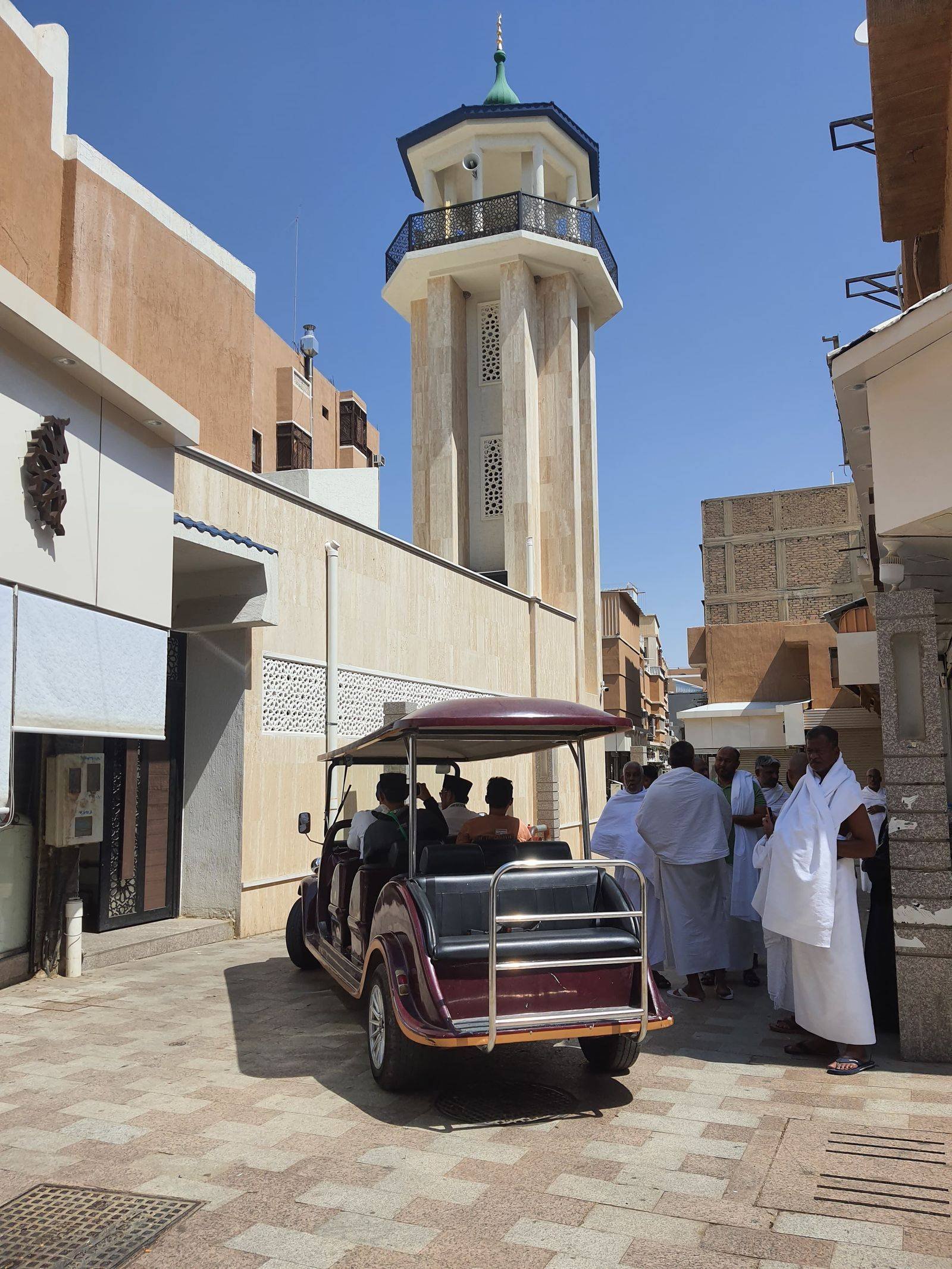
How Taif neighbourhoods book eye clinics
Each part of Taif books in its own rhythm, and the assistant follows it. People in Al Hawiyah message before the working day starts, people in the city centre write during a lunch break, and families at home in Al Hada compare options on the sofa in the evening. The reply has to fit the moment, not just the question.
Al Hawiyah wakes early, so bookings there come before the working day starts. Al Shafa, up in the cool highlands, sees a lunchtime wave from visitors and people on a break. Al Hada fills in the evening, when families book together after dinner and the mountain road quiets down. The assistant answers in each district at the hour that district is awake.
The mountain road changes the booking. People driving up from Makkah or Jeddah book further ahead, because the journey takes planning, while people nearby in Taif book for today. The assistant offers the next open time either way, and sends a reminder that can be moved in one reply if plans change.
Taif is a natural base for day trips. Makkah is about an hour and a half by road down the Al Hada descent, and Jeddah is a similar drive via Makkah. Closer to home, visitors spend a day in Al Shafa for rose farms and mountain air, or ride the cable car at Al Hada. Al Rudaf Park and the old souk make an easy half-day in the city itself. Many summer visitors combine Taif with a stay in Makkah or a weekend on the Jeddah coast.
A Taif day for eye clinics with SynapFlow AI
A working day starts early. The first messages arrive before the doors open, from people who want a slot before work. By mid-morning the phone is busy, the receptionist is with a patient, and the calls start going unanswered. At lunch the messages pile up, and by the evening the enquiries are from people planning tomorrow.
Between noon and two the front desk is often empty, but the phone is not. Patients and clients use their lunch break to book, and a business that only answers in office hours loses the people who can only call at lunch. The assistant is there at midday, in Arabic and English, and the booking lands in the calendar.
Shubra Palace, a white historic palace in the city centre, is Taif's best-known landmark, with its carved wooden balconies and museum rooms telling the story of the old summer capital. Nearby, the old Souk Al Balad keeps its stone lanes and traditional shops. Above the city, Al Hada and Al Shafa offer mountain viewpoints, rose farms and the Taif cable car, which descends the steep escarpment towards Makkah. Al Rudaf Park, with its fountains and shaded lawns, is a favourite evening stop for families.
Recall matters for eye clinics in Taif, because many patients return for regular checks at set intervals — after the rose season, before school starts, or when the summer visitors leave. A clinic may send a reminder when a patient's next review is due, offering a choice of times in the coming weeks. Families often book several members together, which makes one trip serve the whole household. If a patient misses a recall, a single polite message with a new time is usually enough. Keeping the recall list tidy means fewer gaps in the diary and steadier weeks.
Taif sits in the Sarawat mountains about 1,700 metres above sea level, and Highway 15 connects it directly with Makkah and Jeddah, so most visitors arrive by car or bus along the winding Al Hada descent. Taif International Airport, west of the city near Al Hawiyah, handles domestic flights from Riyadh, Dammam and Jeddah, plus seasonal international services. Inside the city, taxis and ride-hailing cars cover most trips, while SAPTCO buses link the centre with Makkah, Jeddah and Riyadh.
Getting around Taif without a car is possible but limited. There is no metro or city-wide bus network inside Taif, so taxis and ride-hailing cars are the main option for visitors and for residents without a car. SAPTCO buses are useful for intercity travel to Makkah, Jeddah and Riyadh, but not for short trips within districts. Parking in the centre, especially near Souk Al Balad and Shubra Palace, can be tight in the evening. Hotels and malls in Al Hawiyah and Al Hada generally have easier parking.
A Saturday morning in Al Hada
Saturday and Sunday are the weekend, so the working week ends on Thursday evening and starts again on Sunday morning. A business that closes on Friday and only answers on Sunday loses two days of enquiries. The assistant keeps answering through the weekend, so a Friday message becomes a Sunday booking.
A Saturday morning in town is the best test of any booking system. Everyone is free, everyone is booking, and the team is stretched thin. The assistant books the appointments, confirms them in writing, and keeps the whole conversation in the CRM, so nothing is lost in the Saturday rush. After a longer eye visit, a short review is often booked before the patient leaves. That review gives the clinician a chance to check how things have settled and gives the patient a clear next date. A reminder the day before is especially useful for early slots, when a missed visit leaves a long gap. If the patient cannot attend, offering the next available time in the same message keeps the plan moving. Small, steady follow-up builds a habit of regular attendance over the years.
An example WhatsApp conversation in Taif
Here is an example of the kind of conversation the assistant has every day. It is illustrative, with no real patient or client, and it shows how quickly a booking is made when nobody has to wait on hold.
Do you have any appointments this week for an eye exam?
Good morning! Yes, 9:30 am tomorrow is available. Shall I confirm it for you?
Yes, 9:30 am works for me. Please confirm the booking.
Confirmed for tomorrow at 9:30 am. You will get a reminder message before your appointment.
That is the whole booking: under a minute, no phone call, no hold music, no website form. The calendar holds the appointment, the reminder is booked, and the team reads the conversation in the CRM whenever they need it. That is the experience SynapFlow AI is built to give every eye clinic in Taif, whether the enquiry comes from Al Hawiyah at noon or from Al Khalidiyah at midnight.
What SynapFlow AI does for eye clinics in Taif
The service is simple on the surface and organised underneath. The AI receptionist answers in Arabic and English at any hour, the WhatsApp assistant books the appointment and sends the reminder, the GoHighLevel CRM stores the whole conversation, and n8n workflows make sure the right message goes out at the right time, every time.
Nothing starts with a payment. It starts with a free audit of the current booking flow, so the business can see exactly where enquiries are lost. Then the assistant is set up in 14 to 21 days, the calendar and CRM are connected, and the first bookings start arriving while the team carries on as normal.
Food in Taif reflects its farms and mountain location. The central fruit and vegetable market sells Taif grapes, pomegranates, plums and figs in season, alongside honey, rose water and dried herbs. Souk Al Balad has spice sellers, bakeries and small restaurants serving mandi, saleeg and grilled meats. Cafes in Al Hada and Al Shafa serve Arabic coffee with dates against a mountain view. In summer, roadside stalls sell fresh fruit and juices to visitors driving up from Makkah and Jeddah.
The path from a eye visit to further care is step by step. A patient arrives for a check, the clinician explains what they found, and the next steps are discussed in plain language. Some people want to go ahead at once, while others prefer to think, check details or talk with family. The clinic records the agreed plan and books the next visit at reception, so nothing is left to memory. A written summary helps the patient follow the plan at their own pace.
Saturdays and Sundays are the busiest days for most eye clinics, because families visit together. Weekday mornings suit routine checks, while evenings suit people who work through the day. A clinic that keeps a waiting list can offer a cancelled Friday slot to the next family on the list, often within the hour. When the whole team uses one diary, the patient hears the same time from every member of staff. That single, consistent message is what patients remember and trust.
The weekend in Taif is Saturday and Sunday, and families use it to escape indoors and head for the mountains. Al Shafa and Al Hada fill with visitors for picnics, rose-farm visits, cable-car rides and cool evening air, especially from May to August when Jeddah and Makkah are hot. Al Rudaf Park and the corniche-style walkways draw evening crowds, while malls in Al Hawiyah stay busy late. Saturday evening is often the last chance for a family outing before the working week starts on Sunday.
Al Hawiyah, west of the centre, is the modern, fast-growing side of Taif, home to Taif University, the airport road and many new villas and apartment blocks. Al Salamah and Al Rawdah are busy residential districts close to shops, schools and clinics, with a mix of older houses and newer buildings. Al Khalidiyah is a central commercial area with restaurants and services. Al Shafa and Al Hada, by contrast, are mountain resort areas of farms, chalets and hotels, quieter in winter and crowded with visitors in summer.
Pricing for eye clinics in Taif
There are three plans, all billed in US dollars. Starter is $197 per month, about SAR 739, Growth is $397 per month, about SAR 1,489, and Custom starts from $697 per month. The audit is free, the setup takes 14 to 21 days, and there are no hidden charges for the WhatsApp or CRM setup itself.
Taif services
- Medical Clinics in Taif
- Dental Clinics in Taif
- Aesthetic Clinics in Taif
- Eye Clinics in Taif
- Real Estate Agencies in Taif
- Law Firms in Taif
Frequently asked questions
How quickly can eye clinics in Taif start taking bookings with SynapFlow AI?
After the free audit, setup usually takes 14 to 21 days. The assistant is built for the actual business, not a generic template, and the team is shown how it works before the first real enquiry arrives.
Does SynapFlow AI work with our existing calendar and GoHighLevel CRM?
It does. The calendar and GoHighLevel CRM are connected during setup, so the assistant books the real slots, the team sees the real diary, and every message is saved against the right contact.
Do patients in Taif talk to a real person or to the AI assistant?
The first reply comes from the AI assistant, in Arabic or English, exactly as the patient wrote. If the patient asks for a person, or the question needs one, the assistant hands the chat to the team with everything that was already said.
What does SynapFlow AI cost for eye clinics in Taif?
Starter costs $197 per month, Growth costs $397 per month, and Custom starts from $697 per month. Prices are in US dollars, the audit is free, and setup takes 14 to 21 days.
Other Live Cities
- Dubai, UAE
- Riyadh, Saudi Arabia
- Jeddah, Saudi Arabia
- Doha, Qatar
- Kuwait City, Kuwait
- Abu Dhabi, UAE
- Sharjah, UAE
- Dammam, Saudi Arabia
- Khobar, Saudi Arabia
- Madina, Saudi Arabia
- Makkah, Saudi Arabia
- Muscat, Oman
- Manama, Bahrain
- Toronto, Canada
- Vancouver, Canada
- Calgary, Canada
- Ottawa, Canada
- Edmonton, Canada
- Brampton, Canada
- Surrey, Canada
Get a Free Automation Audit | WhatsApp +923401461680
Reviewed by Asif Raza, Founder of SynapFlow AI. Last Updated: 9 November 2026.